




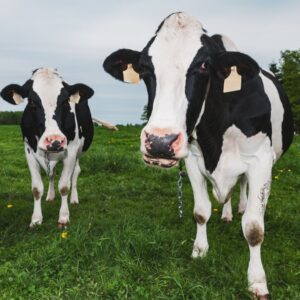
 For many, milk is a dietary staple that provides essential nutrition. In recent years, growing public interest in food production has led many consumers to question whether all milk is created equal. In particular, organic and ethically farmed milk is often contrasted with milk produced in large-scale industrial dairy operations, commonly referred to as ‘factory farms’. While both types of milk can meet food safety standards and provide important nutrients, they differ in several key areas, including quality, nutritional composition, and animal welfare.
More Than Just Taste
The quality of milk is influenced by numerous factors, including the cows’ diet, living conditions, health, and the processing methods used after milking.
Factory-farmed milk is typically produced in high-volume operations designed to maximize profit. Cows are often fed carefully formulated diets that include corn, soy, silage, and nutritional supplements. Grain is not the natural diet of ruminants. High-density indoor operations that subject herds to increased bacterial loads, may require antibiotics to keep disease at bay. These systems are capable of producing large quantities of consistent milk at relatively low cost. At the time of this article, the cost for a gallon of milk of the factory-farmed variety is selling for $3.32 at the local Walmart.
Organic and ethically farmed milk generally comes from cows that spend more time grazing on pasture and consuming fresh grasses. Many consumers and dairy experts believe that pasture-based diets can contribute to a richer flavor and creamier texture. Because grazing conditions change with the seasons, organic milk may exhibit subtle variations in taste that reflect the natural environment. In comparison, at the time of this article, a gallon of organic milk at the local Walmart is $7.87 to $9.97.
Further differentiation comes with milk varieties produced by exclusively grass-fed cows, cows that, as a result of genetics, produce milk with the ‘A2’ protein, said to be easier to digest, as well as raw milk that has not been pasteurized, or milk that is vat-pasteurized, purported to retain some of the natural enzymes and beneficial microbes found in raw milk.
Woodstock’s very own Food Shed Co-op carries several brands of high-quality, ethically-farmed dairy, such as the hyper local Cow Valley, raised and bottled in Bull Valley, Woodstock. It is non-homogenized, which some say has additional health benefits. It is also vat pasteurized which helps retain more nutrients and health factors, e.g., naturally occurring enzymes.
Another Brand the Food Shed stocks is from Crystal Ball Dairy located in Wisconsin. Their milk is non-homogenized, vat pasteurized, from an A2 herd and comes in returnable glass bottles ($2 deposit), which keeps plastic out of the landfill and possibly some microplastic out of the milk and our bloodstream.
Back to the Factory
When you dig into the factory farm side of dairy, you find that a phrase like ‘happy cows’ may be nothing more than a marketing slogan. Consumers who demand the highest standard of quality and ethical practices can find locally-sourced milk at their local food co-ops, or sometimes direct from properly licensed farmers. Some local dairies whose products are distributed within a local food network invite visitors to stop by to see firsthand how their milk is being produced. You might even meet a cow that a farmer knows by name.
Supporters of ethical farming argue that milk produced from healthier, less-stressed animals represents a higher-quality product. With factory farm cows, for example, mothers and calves are often separated prematurely, causing stress for both mother and calf. As we begin to understand the effects of profit-driven agricultural models, local and sustainable farming methods become more and more attractive, albeit at a higher price tag.
Nutrition: Similar Foundations, Important Differences
Both conventional and organic milk provide substantial amounts of protein, calcium, phosphorus, potassium, and vitamin B12. For many consumers, either type of milk can be part of a healthy diet. However, scientific studies have identified some nutritional differences linked primarily to the cows’ diets.
Omega-3 Fatty Acids
Milk from pasture-raised cows generally contains higher levels of omega-3 fatty acids. These fats are associated with cardiovascular and overall health benefits. Because grass contains more omega-3s than grain-based feeds, cows that graze extensively tend to produce milk with a more favorable fatty acid profile.
Conjugated Linoleic Acid (CLA)
Organic and pasture-based milk often contains higher concentrations of conjugated linoleic acid, or CLA. Research has explored potential benefits of CLA related to heart health, inflammation, and body composition, although scientists continue to study its effects.
Omega-6 to Omega-3 Ratio
Many nutrition researchers consider the balance between omega-6 and omega-3 fatty acids important. Organic milk often exhibits a lower omega-6-to-omega-3 ratio than conventional milk, reflecting differences in feeding practices.
Vitamins and Minerals
Most vitamins and minerals are present in similar amounts in both conventional and organic milk. Differences do exist in some studies, but they are generally small compared to the similarities.
As a result, while organic and ethically farmed milk may offer nutritional advantages in fatty acid composition, both types remain nutrient-dense foods.
Animal Welfare: A Significant Difference
Perhaps the most substantial distinction between factory-farmed and ethically farmed milk involves the treatment and living conditions of dairy cows.
Conditions in Factory Farming
Modern industrial dairy farms are designed to maximize productivity and efficiency. In some systems, cows may spend much or all of their lives indoors. Housing environments can range from relatively comfortable free-stall barns to more restrictive conditions depending on the operation.
Critics of factory farming raise concerns about:
- Limited access to pasture and natural grazing
- High milk-production demands placed on cows
- Reduced opportunities for natural behaviors such as roaming, social interaction, and grazing
- Greater risk of health issues associated with intensive production, including lameness and metabolic disorders
Defenders of conventional systems note that indoor housing can protect cows from extreme weather, provide constant access to food and water, and allow for close veterinary monitoring.
Conditions in Organic and Ethically Farmed Systems
Organic standards typically require regular access to pasture during the grazing season. Ethical farming programs often go further, emphasizing animal comfort, lower stocking densities, and environments that allow cows to engage in natural behaviors.
Advantages commonly associated with these systems include:
- More freedom of movement
- Opportunities to graze and forage naturally
- Increased social interaction among animals
- Reduced stress through less intensive management practices
Many animal welfare experts consider pasture access and the ability to express natural behaviors to be important indicators of positive welfare.
Ongoing Ethical Questions
Even on ethical and organic farms, dairy production raises broader ethical questions. Dairy cows must give birth in order to produce milk, and calves are often separated from their mothers, though the timing and management of separation can vary significantly between farms. Consumers concerned with animal welfare should examine individual farm practices rather than relying solely on labels.
Conclusion
Both factory-farmed and organic, ethically farmed milk provide valuable nutrition and are subject to food safety regulations. However, meaningful differences exist in how the milk is produced.
From a nutritional perspective, organic pasture-based milk often contains higher levels of beneficial omega-3 fatty acids and conjugated linoleic acid. Many consumers perceive pasture-raised milk as richer and more flavorful, though individual preferences vary. When it comes to animal welfare, ethical and organic farming systems win hands down by prioritizing pasture access, natural behaviors, and living conditions that animal welfare advocates consider more humane.
For consumers deciding between the two, the choice often reflects personal priorities. Those focused primarily on affordability and consistency may prefer conventional milk, while those who place greater emphasis on animal welfare and certain nutritional advantages find organic, ethically farmed milk worth the additional cost.
Article by Food Shed Co-op Owner-Member (#62)
John Hegner
June 2026